The Makeover Of View: Recognizing Tiny Incision Lenticule Extraction Eye Procedure


Produced By-Baker Duggan
Recently, developments in ophthalmic surgery have changed the way we address sight issues, leading to cutting-edge procedures that offer patients a chance for improved eyesight. One such technique, known as SMILE, has gained considerable attention for its minimally invasive approach and outstanding results. But what specifically is SMILE eye surgery, and how does it work? As we investigate the intricacies of this innovative procedure, we will examine its gains, recovery process, and even contrast it to other common options like PRK.
For those dealing with nearsightedness, the SMILE procedure offers an appealing alternative to conventional laser procedures. With click the up coming webpage on maximizing patient comfort and reducing downtime, SMILE eye surgery has quickly become a popular choice for many looking to better their vision without the inconveniences of glasses or contact lenses. This article will take you through everything you need to know about SMILE eye surgery, from its cost and benefits to potential side effects and what the recovery entails. Follow us as we reveal the aspects of this life-changing eye surgery that is altering destinies.
Understanding SMILE Eye Surgery
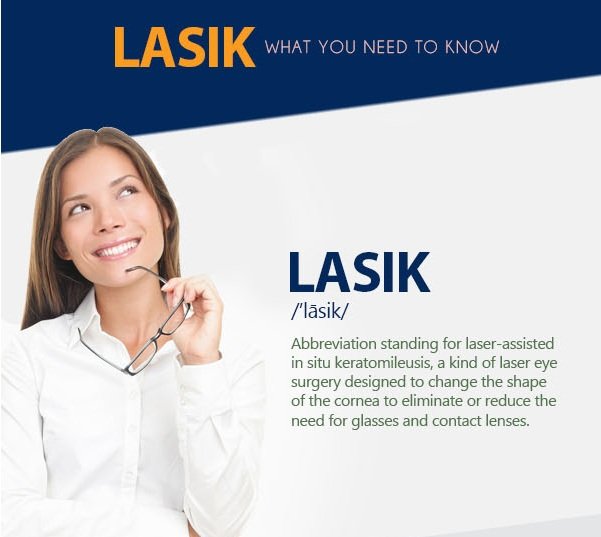
Small Incision Lenticule Extraction eye surgery, known as Small Incision Lenticule Extraction, is an innovative laser vision correction procedure primarily engineered to treat myopia. Differing from traditional LASIK, which creates a flap in the cornea, this procedure involves making a small incision to take out a lenticule of tissue from the eye. This minimally invasive approach allows for a more rapid recovery and minimal interference to the cornea's surface, which makes it an favorable option for many patients in search of vision improvement methods.
The procedure commences with the use of a femtosecond laser, which precisely shapes the lenticule within the cornea. When the lenticule is created, the surgeon makes a small incision, through which the lenticule is removed. This method not only visual acuity while also maintains the structural integrity of the cornea, diminishing the risk of complications and side effects often associated with more invasive procedures. As a result, patients often undergo more seamless recovery and greater comfort during the recovery period.
One of the key benefits of Small Incision Lenticule Extraction eye surgery is its ability to provide a quick return to daily activities. Most patients see substantial improvements in their vision within days, and many return to regular activities the day after surgery. Additionally, the less chance of dry eyes and other complications compared to traditional methods makes this procedure a desirable option for individuals seeking to eliminate their dependence on glasses or contact lenses. As awareness of this procedure expands, many are exploring Small Incision Lenticule Extraction as a potential answer to their vision needs.
Cost and Restoration of SMILE Eye Surgery
The expense of SMILE eye surgery can change considerably based on several factors, including the surgeon's experience, the clinic's location, and any additional services or equipment used during the procedure. Generally, patients can expect to expend between 2k to 4k bucks per one eye. Insurance may pay for some of the costs if the procedure is deemed medically essential, but many patients pay out of pocket. It is essential to investigate various clinics and evaluate the total value, not just the expense, when selecting a doctor.
Rehabilitation from SMILE eye surgery is generally quick and simple. The majority of patients see better vision within a few days after the surgery. However, it is common to have some fuzzy vision and slight discomfort in the first hours after the operation. Patients are usually recommended to rest and avoid intense activities for a short period after surgery. Post-operative appointments are essential to monitor healing and ensure that vision normalizes as expected.
While a lot of patients report a great deal of contentment with the outcomes, there can be some side effects associated with SMILE eye surgery. Frequent reactions include ocular dryness, glare, halos, and changes in vision, especially in the first days of healing. Read the Full Write-up go away as healing progresses. It is crucial for patients to discuss any concerns with their doctor before the procedure to have achievable expectations about healing and likely outcomes.
Advantages and Drawbacks of SMILE Eye Surgery
SMILE eye surgery offers several advantages that make it an attractive choice for those in search of vision correction. One of the main advantages is the less invasive nature of the procedure. Unlike traditional LASIK, which requires a bigger incision to create a layer in the cornea, SMILE uses a minimal incision to remove a lenticule, which can lead to faster recovery times and reduced interference to the corneal structure. Many patients find lessened discomfort and a faster return to their daily activities following the surgery.
However, as with any surgical procedure, there are risks associated with SMILE eye surgery. Some patients may experience temporary visual disturbances, such as glare or halos, especially in low light conditions. Additionally, there is a possibility, albeit low, of undercorrection or overcorrection that may necessitate further intervention. It is crucial for potential candidates to discuss these risks with their eye care provider to ensure they have realistic expectations and understand the likelihood of complications.
At the end of the day, the choice to pursue SMILE surgery should be based on a thorough assessment of the benefits relative to the risks. For many individuals with nearsightedness, the benefits of a more comfortable, minimally invasive procedure that provides adequate vision correction can override the potential drawbacks. As usual, a detailed consultation with a qualified ophthalmologist will help determine if SMILE eye surgery is the appropriate option based on individual needs and circumstances.
Contrasting against Alternative Procedures
When considering vision correction options, it is important to contrast SMILE laser eye surgery with alternative well-known procedures, such as LASIK and PRK. One of the primary distinctions is the technique used. LASIK requires creating a corneal flap, which allows surgeons greater access to alter the cornea, whereas PRK destroys the outer layer of the cornea entirely. In comparison, SMILE performs a less invasive procedure by creating a small incision and extracting a lenticule, minimizing the potential for complications associated with flaps and surface scratches as found in LASIK and PRK.
Expenses associated with SMILE eye surgery can also vary in comparison to LASIK and PRK. Typically, SMILE may incur a higher upfront cost than traditional LASIK due to the advanced technology employed. Nevertheless, patients often discover the long-term benefits and reduced risk of side effects render it a valuable investment. PRK usually has a lower initial cost, but it requires a longer recovery time, affecting the overall value when taking into account the full experience.
One more vital aspect of comparison lies in the recovery process and potential side effects. SMILE eye surgery offers a quicker recovery time, with many patients going back to their daily activities after one day, compared to LASIK and PRK. Although all procedures carry risks, some studies indicate that SMILE has lower instances of dry eye syndrome and other complications. As a result, patients can make a more informed choice by considering the unique benefits and disadvantages of each method tailored to their individual needs.